My essay, “Patrick Leigh Fermor Among the Jews” has recently been published in Pensive: A Global Journal of Spirituality and the Arts. (It starts on page 58.) I hope you’ll take a few moments to read it.
The essay includes some of the same narrative elements of my book A Jewish Appendix, but it’s strongly focused on one of the book’s prominent figures, the great English travel writer (and war hero) Patrick Leigh Fermor. Throughout the legendary yearlong walk Leigh Fermor undertook, at age eighteen, all the way from the Hook of Holland to Istanbul, his adventures included some memorable encounters with Jews, mostly in Romania, where my Jewish maternal ancestors came from and where the heart of A Jewish Appendix is set. Leigh Fermor’s retailing of these encounters yields some of the most vivid and impassioned writing in his three-volume memoirs of what he later became fond of calling “The Great Trudge.”
Young Paddy, as he was then known, developed an affectionate and keen curiosity about Jewish life and language. This was remarkable in itself — growing up in England, he had no background in Judaism and little previous association with Jews — and even more surprising and unusual for the period in which the Great Trudge took place: 1934, just after Hitler’s ascension to power in Germany, which was met with widespread approval on both sides of the Atlantic in a time of what’s often called the “fashionable antisemitism” that then prevailed.
Do have a look at my essay, if you’re so inclined, in these Jewish Days of Awe.
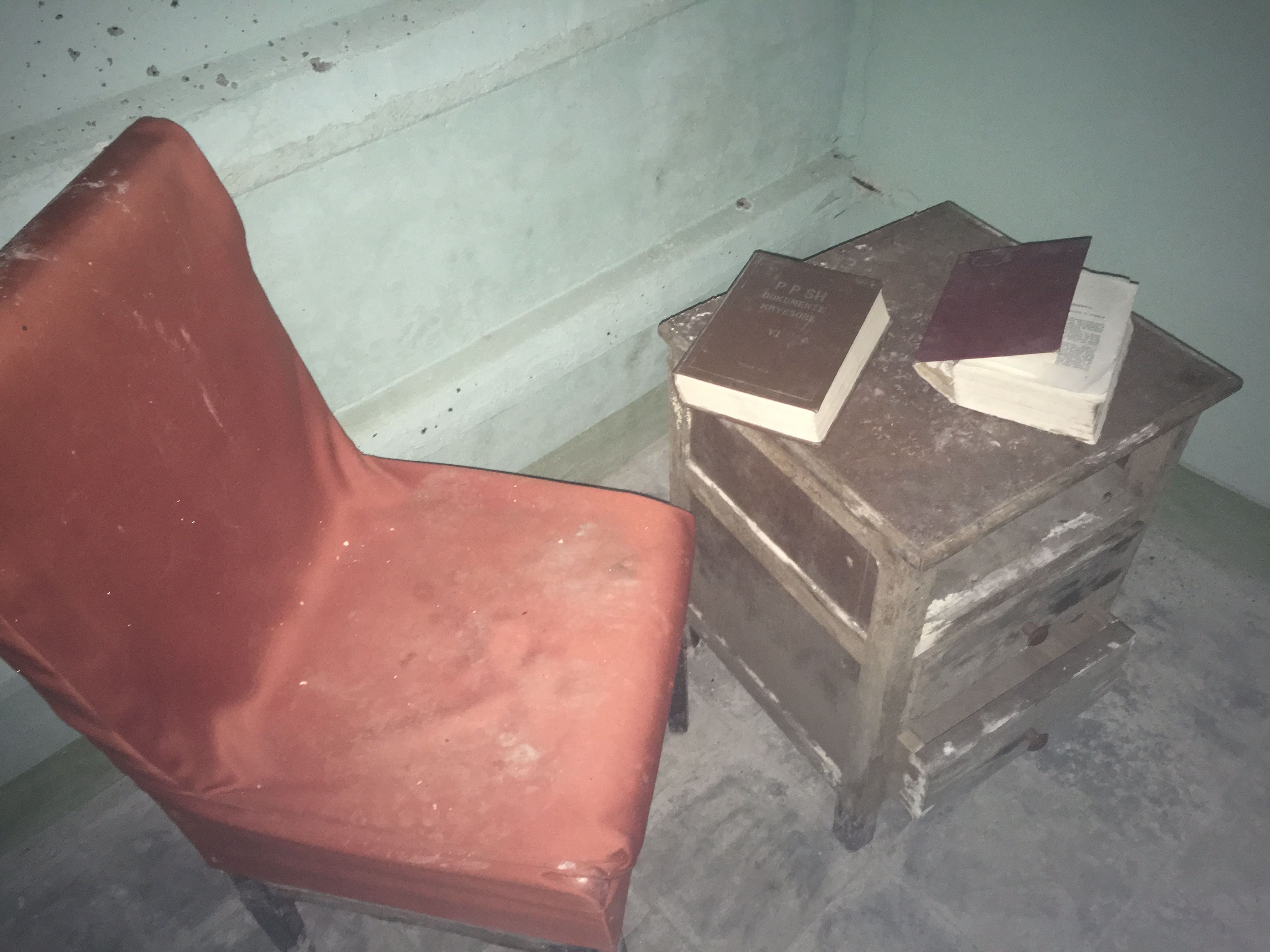 Enver Hoxha, Albania’s dictator from just after World War II until his death in 1985, was born in Gjirokastra. So was Ismail Kadare, Albania’s most famous writer—but to call him that is to undershoot by miles. To the rest of the world, Kadare is Albania’s only famous writer, although that doesn’t make him beyond compare. Think of someone like Mario Vargas Llosa, Peru’s only well-known literary export.
 sobsey